Actualité
- Lights… Camera… action! [Babylonia: entretien]Que peuvent apporter les films à l’enseignement des langues – au-delà de la langue elle-même ?Le dernier numéro de Babylonia, intitulé « CineEducation: The World of Film in Language Teaching », montre comment les films et autres formats audiovisuels peuvent favoriser l’apprentissage des langues, la littératie visuelle, la pensée critique… Poursuivre la lecture Lights… Camera… action! [Babylonia: entretien]
- Les bavard·es apprennent plus vite ![Série de podcasts – 3ème épisode]Enseigner l’oral, oui ! Mais est-ce vraiment prioritaire ? Pourquoi ? Pour quel·les apprenant·es ? Comment médiatiser l’écart entre les différents registres du français oral et l’opacité de l’écrit ? Autant de questions abordées franchement pour que l’école inclusive puisse donner une chance à chaque élève ! La 3ème et dernière table ronde de la série… Poursuivre la lecture Les bavard·es apprennent plus vite ![Série de podcasts – 3ème épisode]
- Il faut tout un village pour éduquer un·e enfant [Série de podcasts – 2ème épisode]Comment coordonner tou·tes les acteur·trices du « territoire apprenant » de chaque enfant ? Parents, activités extrascolaires, communauté culturelle, institutions, enseignant·es disciplinaires… recréons un village autour de chaque enfant allophone ! La 2ème table ronde de la série en trois épisodes :Inclusion des élèves allophones en classe ordinaire De nombreux supports de formation sont… Poursuivre la lecture Il faut tout un village pour éduquer un·e enfant [Série de podcasts – 2ème épisode]
Blog
- Actualité (143)
- Annonces (11)
- Call for papers (6)
- Conférence (13)
- Cycle de conférences (56)
- Didactique du plurilinguisme (32)
- Discussions (52)
- Education numérique (27)
- Entretiens (80)
- Evaluations, tests et standards (18)
- Expériences pratiques (82)
- Formation des enseignant-e-s (48)
- Histoire, culture et littérature (20)
- Immersion et échanges linguistiques (27)
- Jobs (2)
- Langues et diversité (49)
- Lectures (13)
- Podcast (48)
- Politiques linguistiques et société (47)
- Recherche (92)
- Revue Babylonia (19)
- TeachFromHome (5)
- Uncategorized (1)
- Vidéo (18)
- Lights… Camera… action! [Babylonia: entretien]
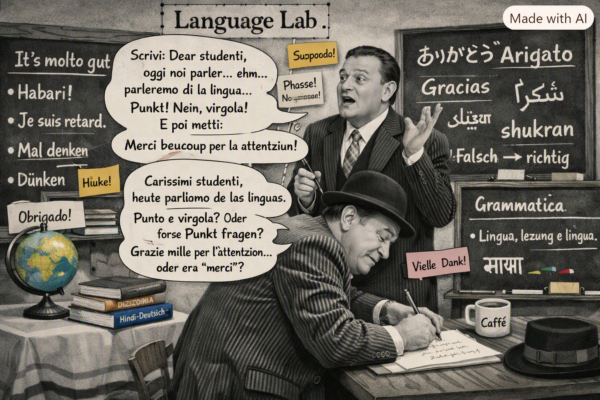 Que peuvent apporter les films à l’enseignement des langues – au-delà de la langue elle-même ?Le dernier numéro de Babylonia, intitulé « CineEducation: The World of Film in Language Teaching », montre comment les films et autres formats audiovisuels peuvent favoriser l’apprentissage des langues, la littératie visuelle, la pensée critique et les expériences partagées en… Poursuivre la lecture Lights… Camera… action! [Babylonia: entretien]
 - Les bavard·es apprennent plus vite ![Série de podcasts – 3ème épisode]
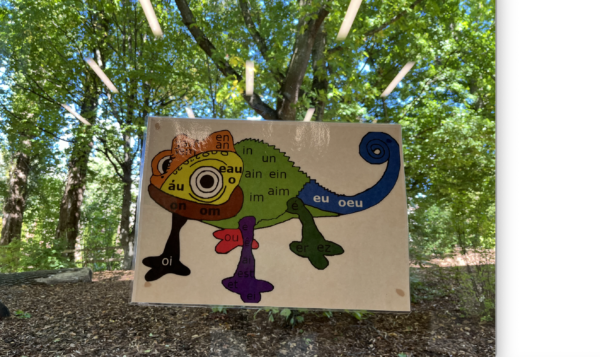 Enseigner l’oral, oui ! Mais est-ce vraiment prioritaire ? Pourquoi ? Pour quel·les apprenant·es ? Comment médiatiser l’écart entre les différents registres du français oral et l’opacité de l’écrit ? Autant de questions abordées franchement pour que l’école inclusive puisse donner une chance à chaque élève ! La 3ème et dernière table ronde de la série en trois épisodes :Inclusion des… Poursuivre la lecture Les bavard·es apprennent plus vite ![Série de podcasts – 3ème épisode]
 - Il faut tout un village pour éduquer un·e enfant [Série de podcasts – 2ème épisode]
 Comment coordonner tou·tes les acteur·trices du « territoire apprenant » de chaque enfant ? Parents, activités extrascolaires, communauté culturelle, institutions, enseignant·es disciplinaires… recréons un village autour de chaque enfant allophone ! La 2ème table ronde de la série en trois épisodes :Inclusion des élèves allophones en classe ordinaire De nombreux supports de formation sont disponibles mais manquent le temps,… Poursuivre la lecture Il faut tout un village pour éduquer un·e enfant [Série de podcasts – 2ème épisode]
 - L’apprenant·e au cœur de l’école inclusive [Série de podcasts, 1er épisode]
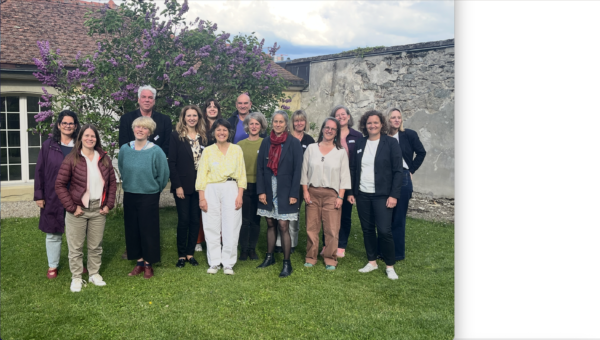 Quels sont les outils, les dispositifs, les actions pédagogiques qui permettent l’inclusion des élèves allophones ? Comment s’organise l’enseignement dans le cadre de la conception universelle des apprentissages (CUA) ? Découvrez les avantages et bénéfices de la CUA pour les élèves allophones et les enseignant·es ! La 1ère table ronde de la série en trois épisodes :Inclusion des… Poursuivre la lecture L’apprenant·e au cœur de l’école inclusive [Série de podcasts, 1er épisode]
 - verbale OVERDOSE verbale: Le programme de la RING 2026-27 est sorti ! [Annonce RING]
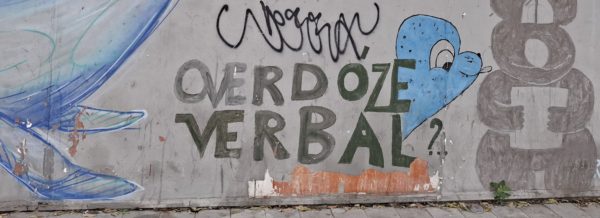 Le cercle d’événements de l’Institut de Plurilinguisme – la « RING » – aborde un thème au titre accrocheur : l’overdose verbale. Voilà le riche programme concocté par Giulia Berchio et Raphael Berthele pour 2026-27. Une inscription sur un mur : « OVERDOZE VERBAL », accompagnée d’un petit point d’interrogation. Qui a voulu offrir ces deux mots aux passant.e.s ? S’agit‑il d’une… Poursuivre la lecture verbale OVERDOSE verbale: Le programme de la RING 2026-27 est sorti ! [Annonce RING]
 - Articuler les différences – enfants plurilingues en thérapie logopédique [podcast]
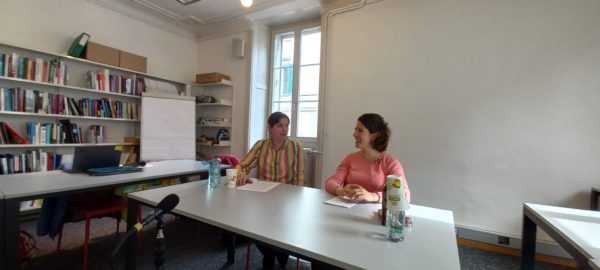 Comment savoir si les difficultés rencontrées par un·e enfant plurilingue sont dues à une faible exposition au français ou un à un trouble développemental du langage ? A-t-il ou a-t-elle besoin de leçons de Français langue seconde (FLS) ou d’une thérapie logopédique ? Katrin Skoruppa, chercheuse à l’Université de Neuchâtel, et Solène Belogi, logopédiste, présentent les défis que… Poursuivre la lecture Articuler les différences – enfants plurilingues en thérapie logopédique [podcast]
Annonces
Emploi
L’agenda du CeDiLE
Entrée libre
Prof. Dr. Vanessa De Wilde (University Ghent)
Vocabulary knowledge is a cornerstone of second language (L2) development and plays a crucial role in learners’ ability to communicate effectively. This lecture examines how young and adolescent learners acquire L2 vocabulary across a variety of learning contexts, with particular attention to language learning beyond the classroom, before or alongside formal instruction. The lecture will compare vocabulary learning across different foreign languages and learning contexts, highlighting similarities and differences in the opportunities learners encounter and the outcomes they achieve. Attention will also be given to developmental trajectories, examining how vocabulary knowledge evolves over time from childhood to adolescence and what factors help explain variation between learners. Finally, the lecture considers why some words are learned more easily than others by examining the role of word-related variables (e.g. frequency and cognateness). By bringing together evidence from longitudinal and cross-sectional studies, the lecture tries to shed light on L2 vocabulary
learning in young and adolescent L2 learners.
Free entrance
